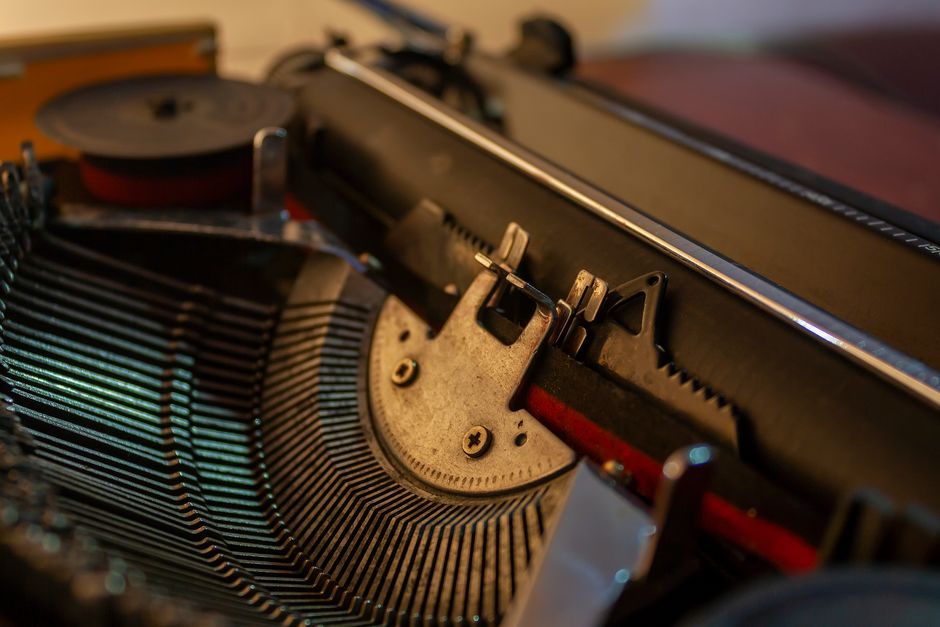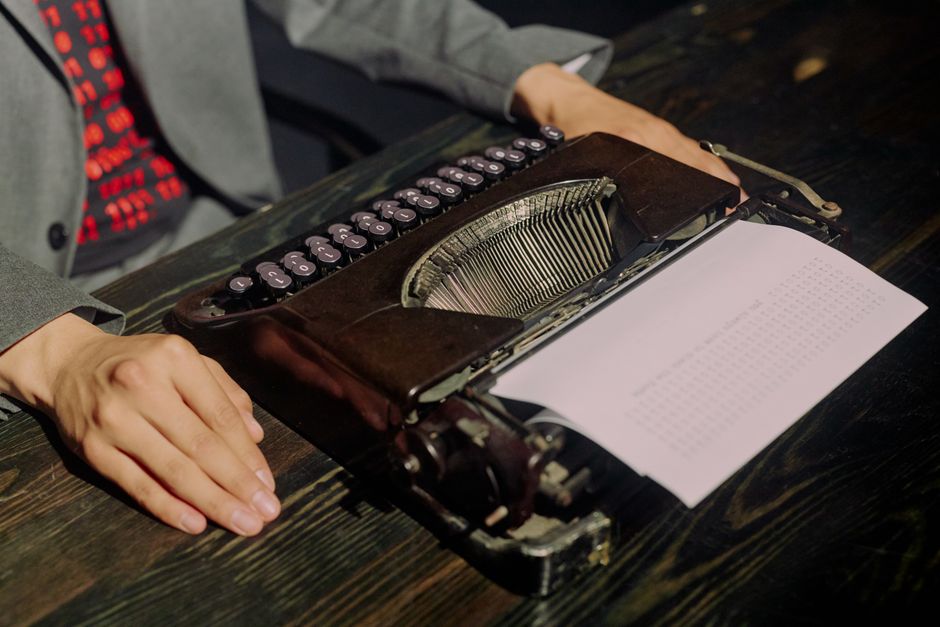
As I sit here, surrounded by the gentle hum of my vintage typewriter and the soft scratch of my fountain pen on paper, I am reminded of a time when life was less complicated. In an era where digital technology has become an integral part of our daily lives, it's easy to get caught up in the hustle and bustle of social media, online news, and endless streams of information. However, I've noticed a growing trend among my friends and acquaintances – a desire to disconnect from the digital world and reconnect with the simple, tactile joys of analog hobbies.
A Return to Traditional Pursuits
From knitting and embroidery to woodworking and pottery, people are rediscovering the value of working with their hands to create something tangible and meaningful. These hobbies not only provide a much-needed respite from the constant glow of screens but also offer a sense of accomplishment and pride in one's work. As I've delved deeper into the world of analog hobbies, I've come to realize that it's not just about the end product, but about the journey itself – the process of learning, experimenting, and refining one's craft.
The Benefits of Analog Hobbies
Research has shown that engaging in analog hobbies can have a positive impact on both our mental and physical health. The repetitive motions involved in activities like knitting or woodworking can be meditative, helping to reduce stress and anxiety. Additionally, the sense of community that often forms around these hobbies can provide a much-needed support system and social connection in an increasingly isolating world. As we navigate the complexities of modern life, it's essential to find ways to slow down, unwind, and recharge – and analog hobbies offer a powerful solution.
- Improved cognitive function: Engaging in analog hobbies can help improve memory, concentration, and problem-solving skills.
- Reduced stress and anxiety: The calming, repetitive motions involved in many analog hobbies can help alleviate symptoms of stress and anxiety.
- Increased creativity: Working with physical materials and exploring different techniques can foster creativity and inspire new ideas.
As I reflect on my own experiences with analog hobbies, I am reminded of the importance of embracing imperfection and uncertainty. In a world where digital technology often emphasizes perfection and precision, it's refreshing to engage in activities that celebrate the beauty of imperfection and the value of the human touch. Whether it's the subtle variations in a hand-knitted scarf or the unique character of a handmade ceramic bowl, analog hobbies offer a chance to appreciate the unique qualities of human creation.
In conclusion, the revival of analog hobbies in the digital age is a testament to our desire for connection, creativity, and community. As we move forward in this increasingly complex world, it's essential to make time for the simple, tactile joys of analog hobbies – and to appreciate the beauty, value, and sense of fulfillment they bring to our lives.